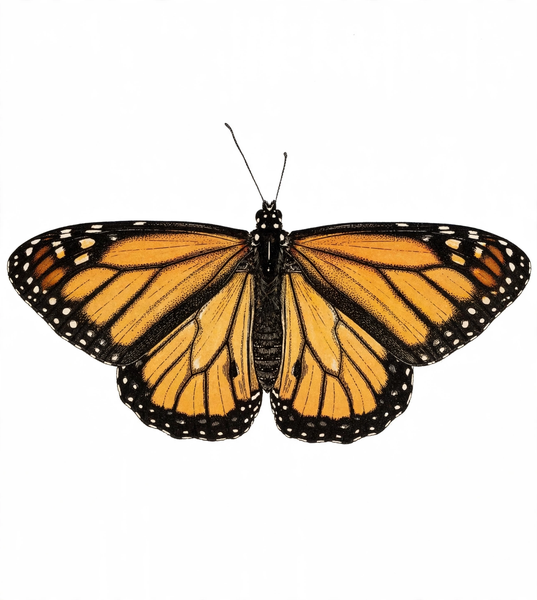
Butterflies Are Down 22% — Plant These Flowers to Help Bring Them Back
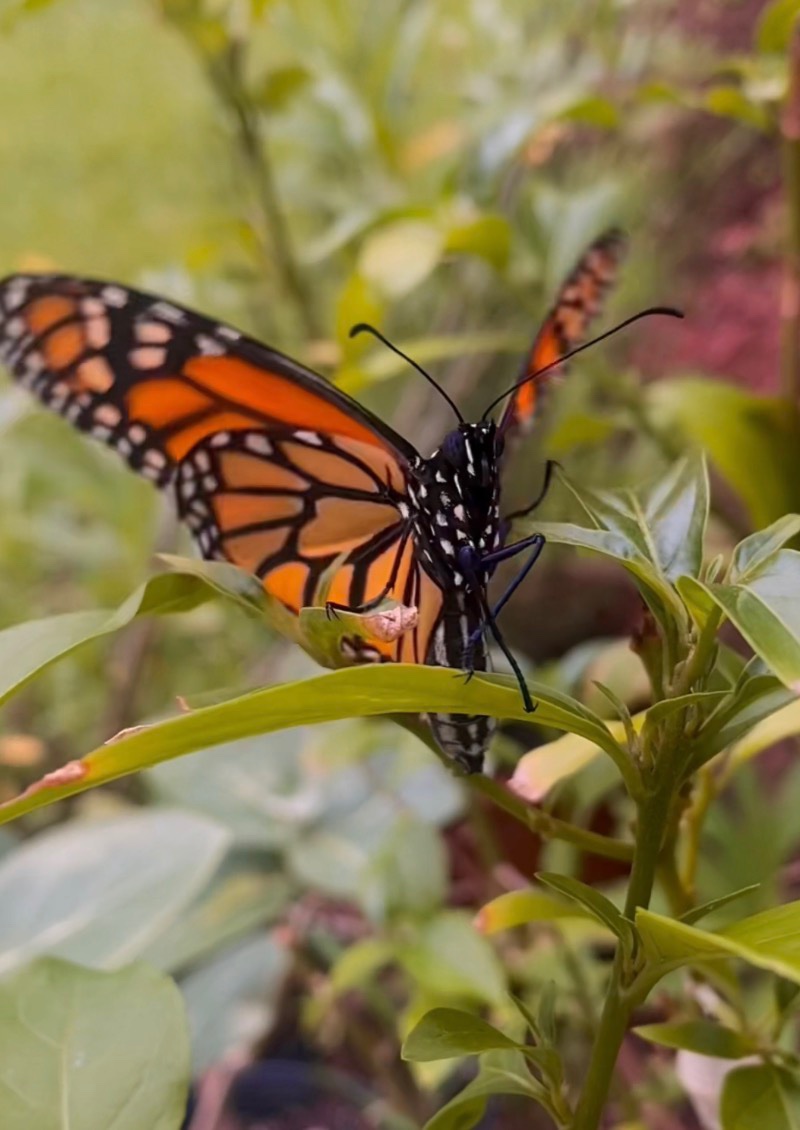
That headline can make any gardener feel helpless. We read it another way: if lost flowers and broken-up habitat helped push butterflies down, new flowers can help pull them back. You do not need acreage. A sunny bed, a border, or a cluster of pots can feed adults through the seasons — and, with host plants too, raise the next generation.
The Research: Why Butterfly Numbers Fell 22%
In a nationwide study published in Science in 2025, Edwards and colleagues found that total butterfly abundance in the contiguous United States fell about 22.6% from 2000 to 2020. The decline showed up across regions and species groups — not only among rare specialists, but among familiar butterflies gardeners expect to see. For an accessible walk-through, read a recent report on the decline.
There is no single villain. Habitat loss, pesticide exposure, hotter weather, and drought all pile on. Butterflies reveal the damage early because they live fast and travel locally between flower patches. The hopeful part: every chemical-light patch with nectar and host plants becomes food, shelter, and a stepping stone. One yard will not reverse the trend, but thousands of connected yards can make the map friendlier.
How to Help Butterflies: Plant a Relay, Not a One-Weekend Show
Think succession. Something should be blooming in spring, something else should peak in summer, and fall flowers should still be open when migrants and late-season broods need fuel. Florida’s seasons blur — especially in frost-free areas — so use these groups as a relay plan rather than a strict calendar.
Best Flowers for Butterflies in Spring
Firebush (Hamelia patens) — Orange-red tubes begin as the weather warms and keep coming for months, drawing swallowtails, longwings, and hummingbirds. Plant in full sun and give this shrub roughly 3–5 feet of room.
Purple coneflower (Echinacea purpurea) — Broad purple landing pads bloom from late spring into summer for swallowtails, fritillaries, and skippers. It likes full sun and sharp drainage, performs best in North and Central Florida, and its seed heads feed birds later.
Milkweed in flower (Asclepias species) — The blossoms feed monarchs, queens, hairstreaks, and other adults while the leaves feed monarch and queen caterpillars. Choose a locally native milkweed for your soil and plant it in full sun.
Nectar Plants for Butterflies in Summer
Zinnias — Fast from seed and generous from summer toward frost, with flat faces that make easy landing pads for swallowtails, monarchs, and gulf fritillaries. Sow in full sun every few weeks for fresh waves of bloom.
Cosmos — Airy pink, white, or orange flowers float over feathery foliage from summer into fall, inviting sulphurs, skippers, and smaller butterflies. They thrive in full sun and lean soil, including large containers.
Blanket flower (Gaillardia pulchella) — Red-and-gold blooms shrug off Florida heat and sandy soil, flowering from spring through fall for skippers and small butterflies. Give it full sun, drainage, and a front-of-border spot.
Marigolds — Cheerful summer-to-fall color for edges and pots. Choose single or open-flowered types so skippers and small butterflies can reach the nectar more easily, then deadhead to keep new blooms coming.
Butterfly Garden Flowers Florida Gardeners Need for Fall
Mistflower (Conoclinium coelestinum) — Clouds of blue flowers open from late summer into fall, just when migrating monarchs and resident queens need fuel. Plant in sun and moisture-retentive soil; it spreads, so give it room or use a big pot.
Scarlet sage (Salvia coccinea) — Red spikes carry color into fall and often self-seed politely for another round, with butterflies and hummingbirds working the blooms. This compact native handles full sun to part shade.
Lantana — Tough flower clusters keep serving swallowtails and other butterflies into fall and longer in frost-free gardens. Plant in full sun — and choose sterile or native-friendly varieties in a contained spot, because lantana can spread.
Year-Round Nectar Plants for Butterflies
Pentas — In frost-free Florida gardens, their starry clusters bloom nearly year-round and pull in swallowtails, monarchs, and skippers. They are equally happy in a sunny bed or pot; pinch spent clusters to encourage more flowers.
Porterweed (Stachytarpheta species) — Slim spikes open a few purple or blue flowers at a time for months, a daily routine beloved by skippers and small butterflies. Give this sprawling plant full sun along an edge or in a large container.
Get the Free Butterfly Garden Info Sheet
Take the plan outside with our one-page Free Butterfly Garden Info Sheet. It gathers the seasonal flower list and a host-plant strip in one pretty, printable page — perfect for the potting bench or garden gate.
You can also find it with our coloring pages and activity sheets on the Free Printables page.
Shop the Seeds
As an Amazon Associate, butterfly babe earns from qualifying purchases — at no extra cost to you.
Start with the caterpillar cornerstone:
- Native milkweed seed 4-variety pack — for monarch and queen host plants plus nectar-rich blooms.
For raising kits, habitats, and other garden favorites, see garden page.
Butterfly Garden FAQ
Do gardens really help butterflies?
Yes — especially when they provide both nectar and host plants and are kept free of insecticides. A garden cannot undo habitat loss alone, but it gives local butterflies real food and breeding space.
What is the single best flower to plant first?
For instant butterfly traffic, plant firebush in the ground or pentas in a pot. If monarchs are the goal, add locally native milkweed too — the flowers feed adults, and the leaves are the whole point for caterpillars.
Do I need a big yard?
No. Three sunny pots can start the relay: pentas or porterweed, zinnias, and a compact native milkweed suited to your area. Grouping pots makes the patch easier for butterflies to find and easier for you to water.
When will I see butterflies?
Scouts may find open nectar flowers within days, especially in warm weather. Eggs and caterpillars can take longer — sometimes a few weeks, sometimes a season — so keep blooms coming, skip sprays, and let host plants get established.
The simplest comeback plan is this: plant one flower for today’s butterflies and one host plant for tomorrow’s. The chewed leaves are not garden damage — they are the comeback, eating lunch.