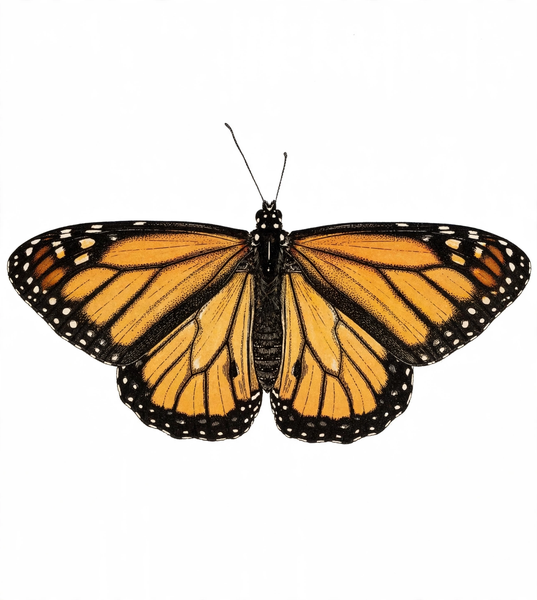
Monarch Butterfly Life Cycle: Egg, Caterpillar, Chrysalis & the Great Migration
It’s the most famous transformation on Earth — and it happens on a single plant in your garden. Here’s the complete lifecycle of the monarch butterfly — all four monarch butterfly life cycle stages, from egg to adult — photographed in our Florida garden, plus exactly how to bring monarchs to yours.
Watch the Whole Monarch Life Cycle in Under a Minute
No time for the full story? Press play. This Short races through the entire monarch butterfly life cycle — egg to flying butterfly — in one fast, beautiful montage, filmed right here in our Florida garden. Blink and you’ll miss a stage, so here’s what to watch for as it flies by:
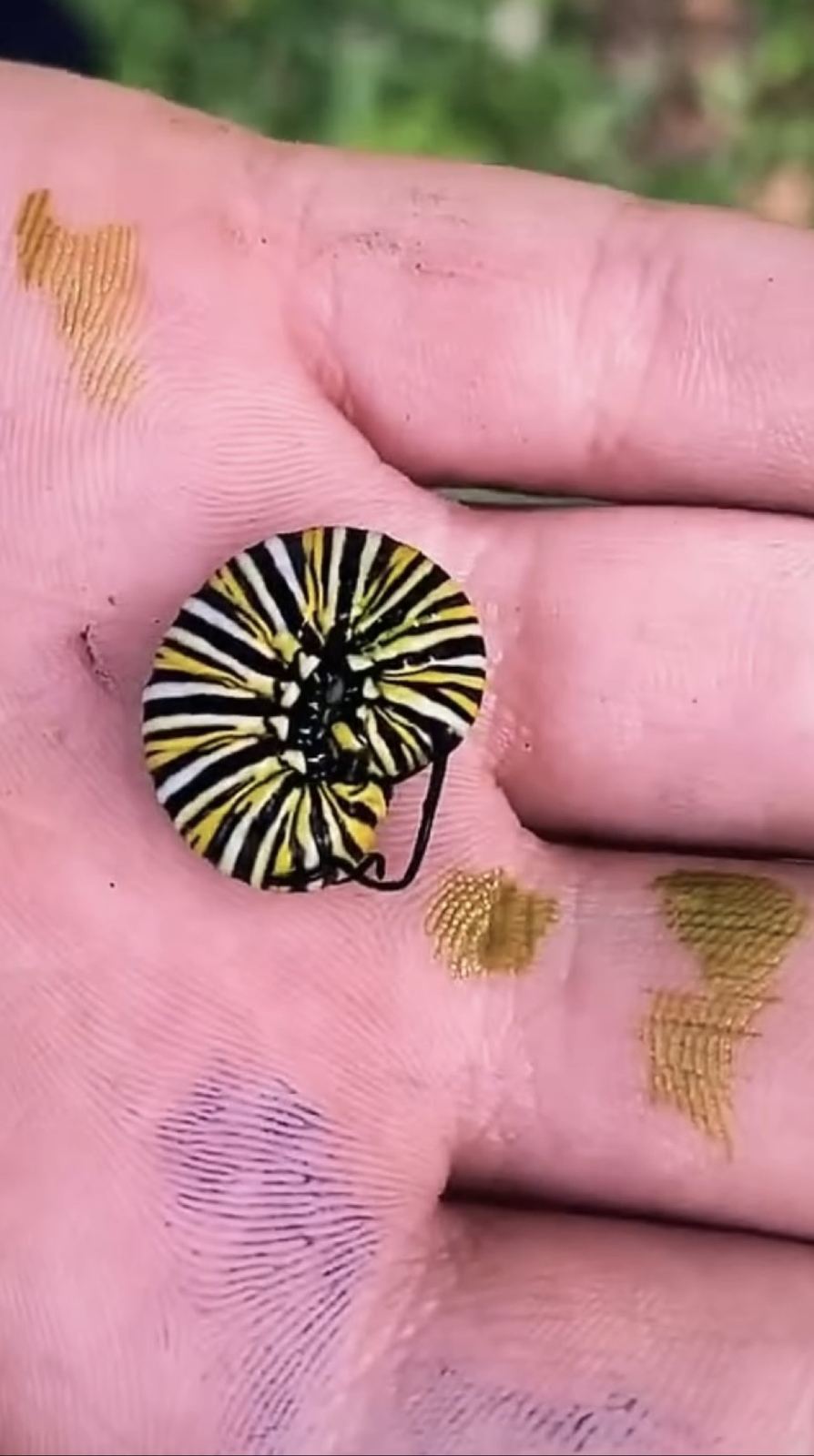
First, the egg — a pinhead-sized, ribbed speck glued to the underside of a native milkweed leaf, the only place a monarch mother lays her eggs. Then the caterpillar, all bold black, white and yellow stripes, eating almost nonstop and shedding its skin five times as it grows. Next the chrysalis: watch the jade-green shell slowly turn clear until the folded orange wings show through. And finally the best part — eclosion. The shell splits, the butterfly climbs out, and before its first flight it zips its two proboscis halves together and unfurls its brand-new drinking straw, ready for its first sip of nectar.
Want to slow the story down? Head to our Free Printables page and download the free Monarch Life Cycle Activity Pack — real-photo pages, a labeling worksheet and a coloring page that follow this exact journey, stage by stage.
Watch a monarch emerge from its chrysalis:
Egg
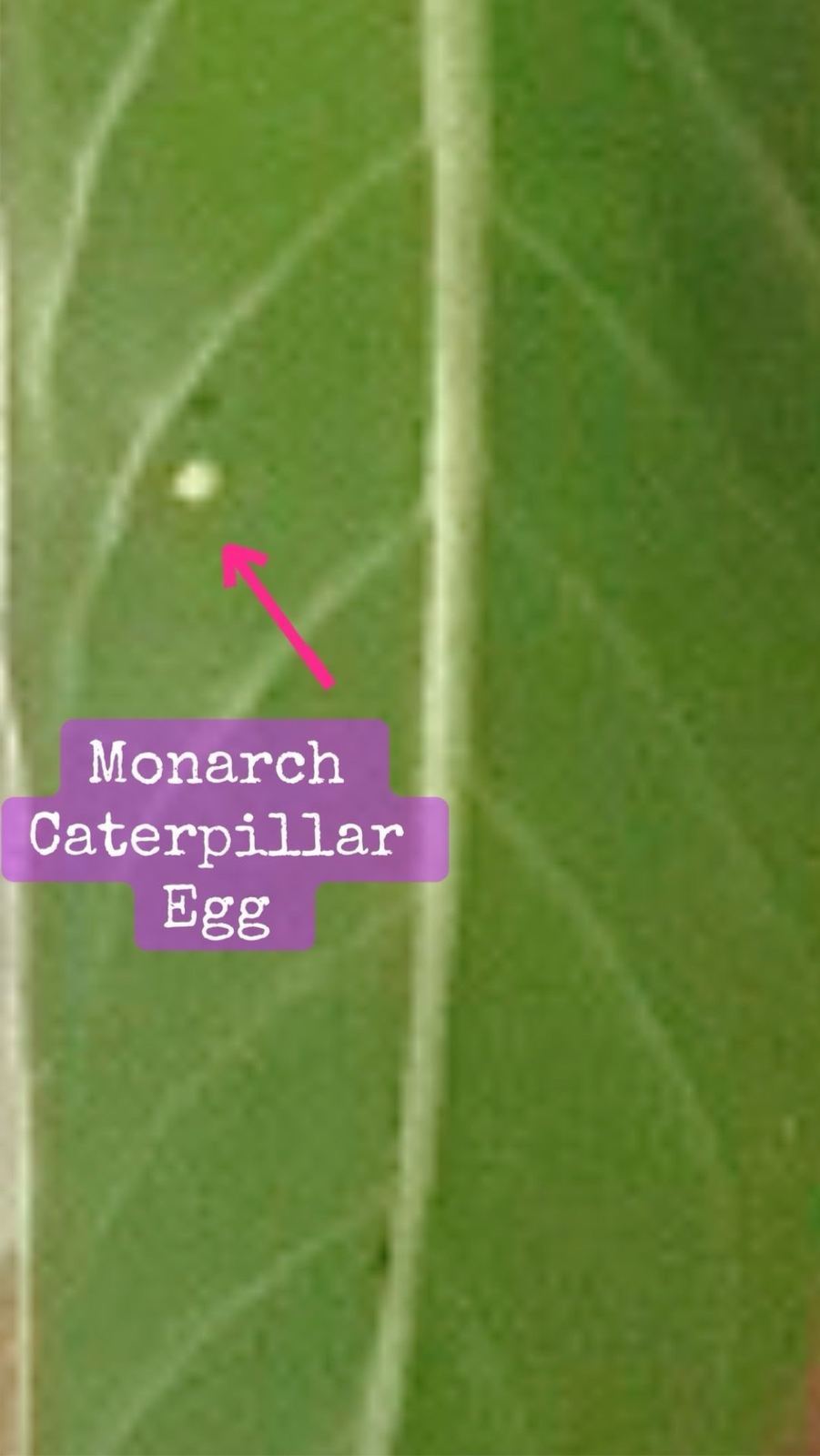
A female monarch lays her eggs one at a time — up to several hundred in her life — almost always on the underside of a milkweed leaf. Each egg is the size of a pinhead, pale yellow and ribbed like a tiny lemon. In about 3 to 5 days it darkens at the tip… and hatches. The newborn’s first meal is its own eggshell.
Caterpillar
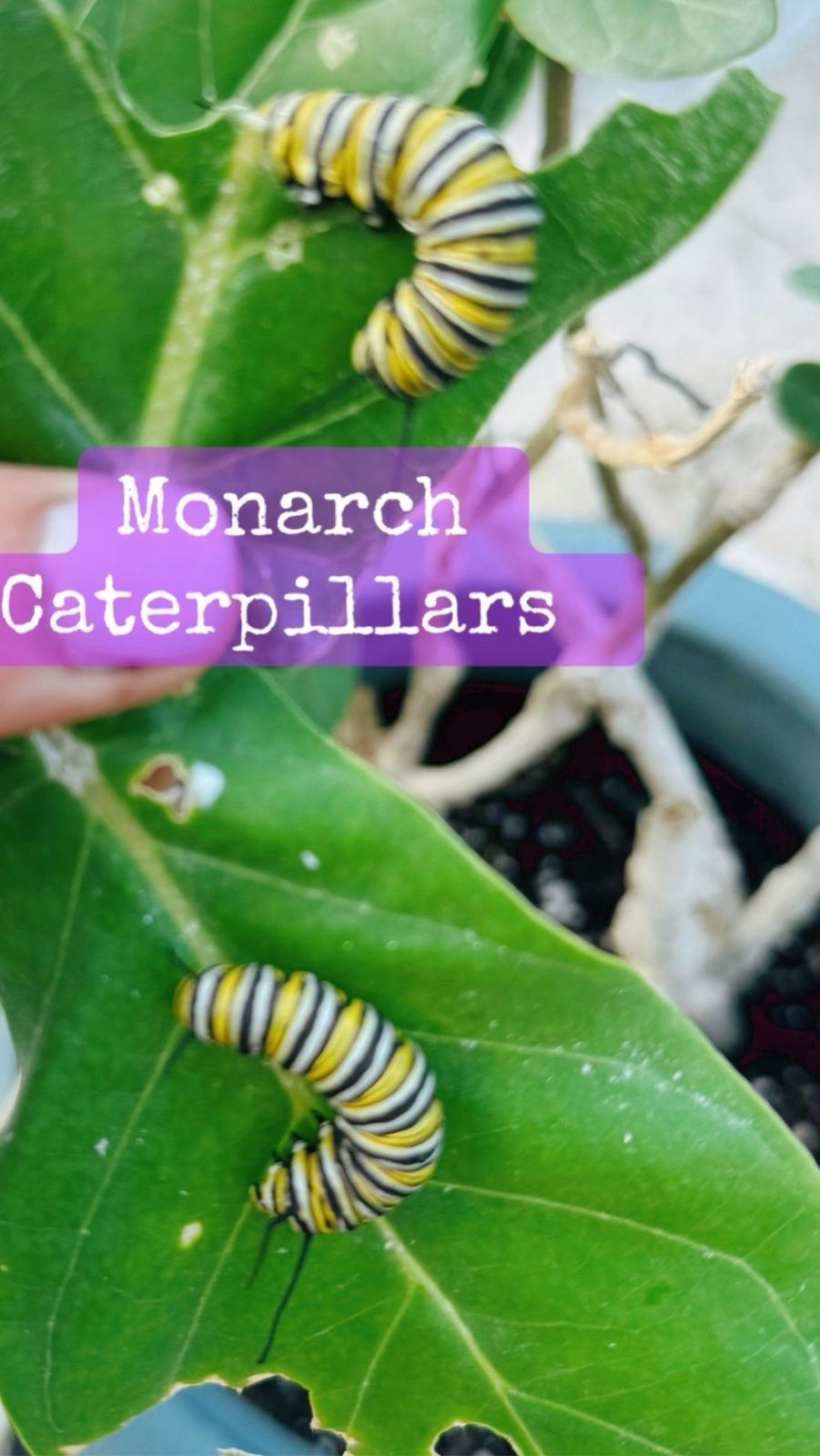
The caterpillar wears bold black, white and yellow stripes — a warning label. Monarch caterpillars eat ONLY milkweed, and milkweed is laced with natural toxins that build up in their bodies and make them poisonous to birds. For about two weeks the caterpillar eats almost nonstop, shedding its skin five times as it grows from pinhead to plump two-inch ‘cat.’
Chrysalis
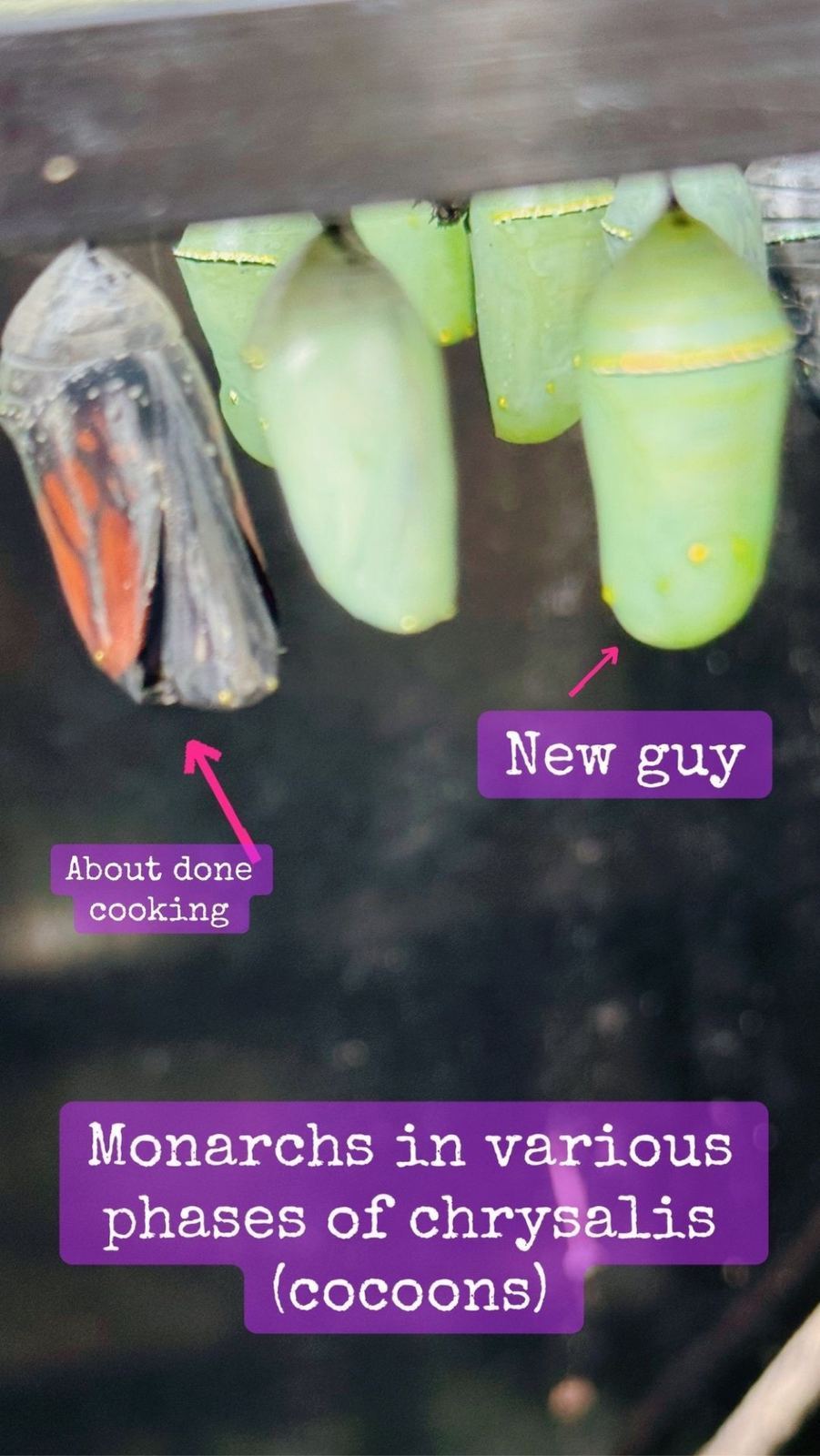
Fully grown, the caterpillar spins a silk button, hangs in a J, and sheds its skin one final time to reveal a jade-green chrysalis trimmed with gold — it looks like jewelry. That chrysalis is the pupa stage, when the caterpillar’s body is completely rebuilt into a butterfly. This row shows every phase: fresh green on the right, and on the left one that’s ‘about done cooking’ — the shell has turned clear and the orange wings show through. That one emerges within a day. The whole rebuild takes about 10 to 14 days. (And a friendly note: butterflies make a butterfly chrysalis, never a cocoon — cocoons are a moth thing.)
Butterfly
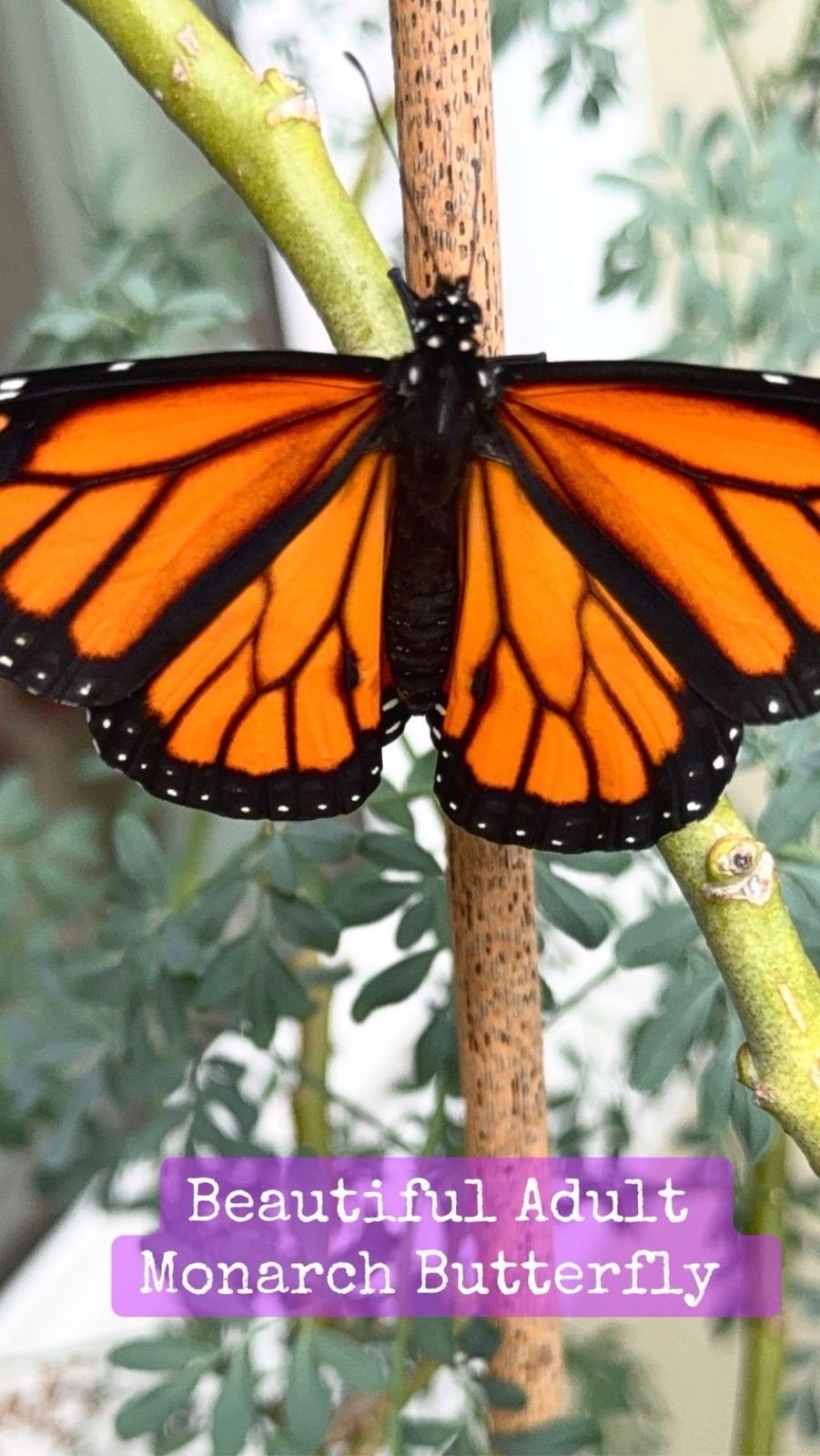
The shell splits and out climbs the butterfly — wings crumpled, wet and small. Over the next hour it pumps fluid into the wing veins until those famous orange wings stretch wide, then sits drying for another hour or two before its first flight. Most monarchs live just 2 to 6 weeks — but the late-summer generation is different: those monarchs live 6 to 9 months and fly all the way to the mountains of Mexico. The butterfly drying in your garden in October might winter in Mexico and start the journey back in spring.
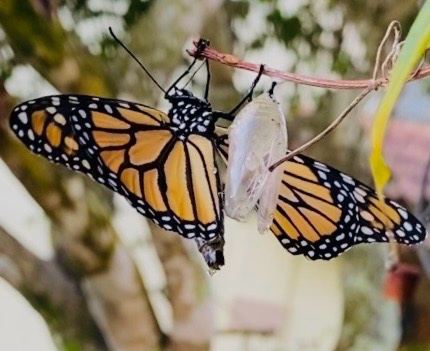
Watch the life cycle of the monarch butterfly:
How to Attract Monarchs to Your Garden
What do I need to attract monarch butterflies? It’s the question the whole life cycle leads to — and the answer comes down to three things:
Host plant: Milkweed — it’s the ONLY plant monarch caterpillars can eat, so no milkweed, no monarchs. Plant milkweed that’s NATIVE to your area (here in Florida our caterpillars thrive on swamp milkweed; common milkweed and butterfly weed are other beloved natives). And plant more than you think you need — one caterpillar can strip a whole plant.
Nectar plants: Adults refuel on nectar: lantana, pentas, porterweed, zinnias, salvia, firebush and fall-blooming mistflower — that last one matters, because migrating monarchs need fuel stops in autumn.
Attract them: Cluster your milkweed in a sunny spot so females find it easily, keep adding nectar flowers from spring through fall, and skip ALL pesticides — sprays meant for other bugs kill caterpillars too.