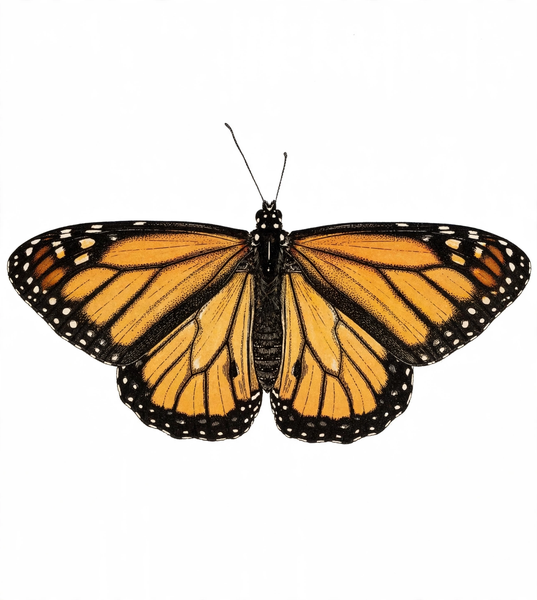
Butterfly Garden
Build a garden they can’t resist
Wondering how to start a butterfly garden? It helps to know a butterfly garden is really two restaurants in one: host plants where mothers lay eggs and babies eat, and nectar flowers where the adults drink. Get both right and the butterflies move in on their own — that’s the heart of how to attract butterflies, and the simplest answer to how to help butterflies, too: feed every stage, and they stay.
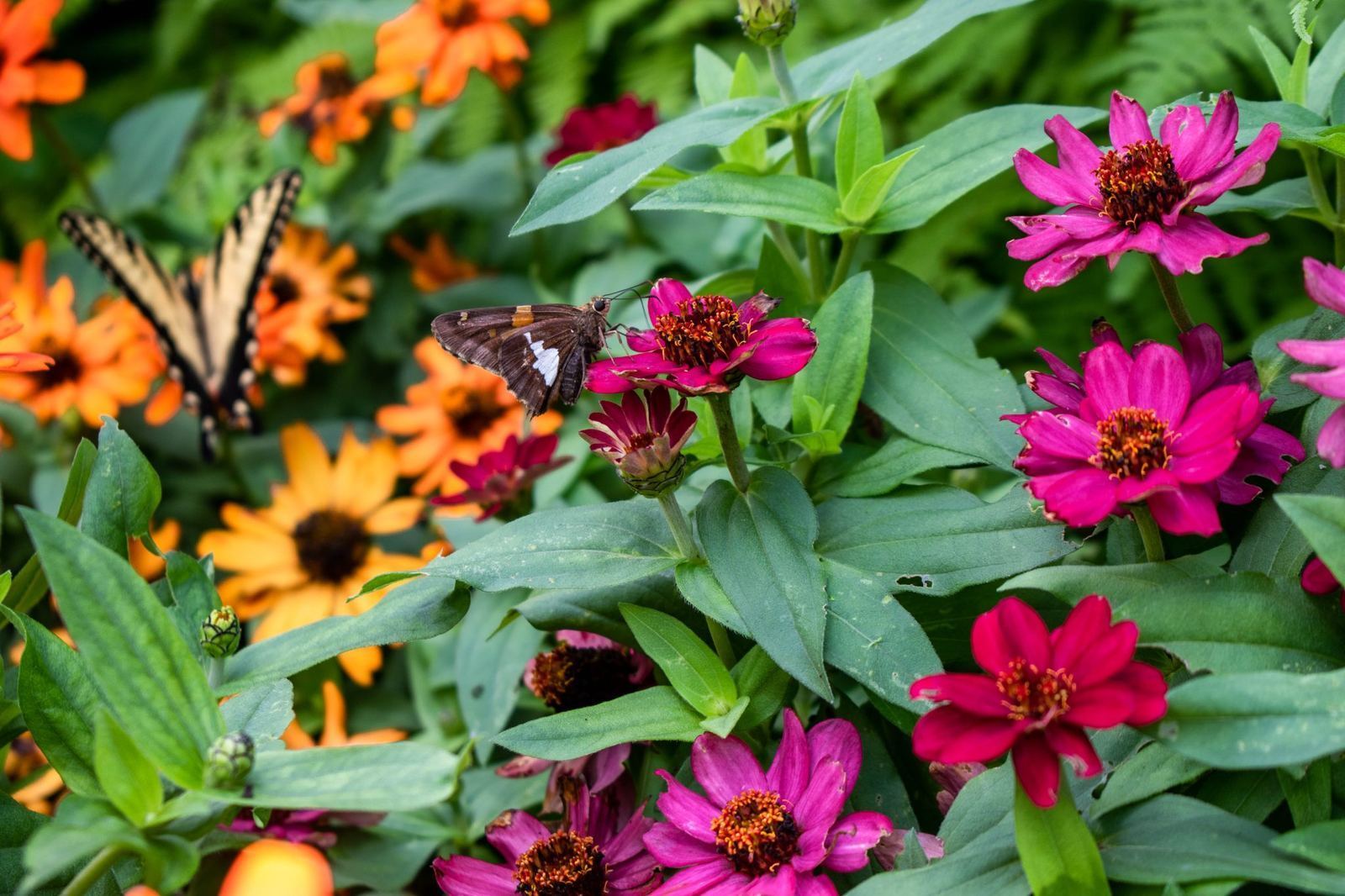
How to build a butterfly garden, in four steps
1
Plant the nursery first
Host plants are non-negotiable — no milkweed, no monarchs. Start with the host plants in the table below, matched to the butterflies you want.
2
Pour the drinks
Stock up on nectar-rich flowers — flat-topped clusters are butterfly bars: zinnias, lantana, coneflower, butterfly bush and asters. Plant in sunny blocks so butterflies can feed without wasting energy.
3
Skip the sprays
Most insecticides kill caterpillars along with pests — including “natural” Bt sprays. Hand-pick problem bugs, tolerate a few chewed leaves, and let the birds do pest control.
4
Add sun & sips
Butterflies are solar-powered: give them flat stones that warm up in morning sun, plus a shallow dish of wet sand where they can “puddle” for minerals.
Host plants for caterpillars: who eats what
| Butterfly | Host plants (the baby food) | Field note |
|---|
| Monarch | Milkweed — common, swamp, butterfly weed | The only food monarch caterpillars can eat. Plant milkweed and they will find it, sometimes within days. |
| Black Swallowtail | Parsley, dill, fennel, carrots, parsnip | Plant twice the parsley you need — half for you, half for them. Extra dill is the cheapest butterfly habitat there is. |
| Giant Swallowtail | Citrus trees, prickly ash, hop tree, wild lime | Citrus growers call the caterpillar the “orange dog.” Gardeners who know better call it a future giant. |
| Eastern Tiger Swallowtail | Tulip tree, wild cherry, ash, lilac | A tree-level species — the females lay eggs high in the canopy, and the adults glide down to the flower beds to drink. |
Plant milkweed that’s native to your area
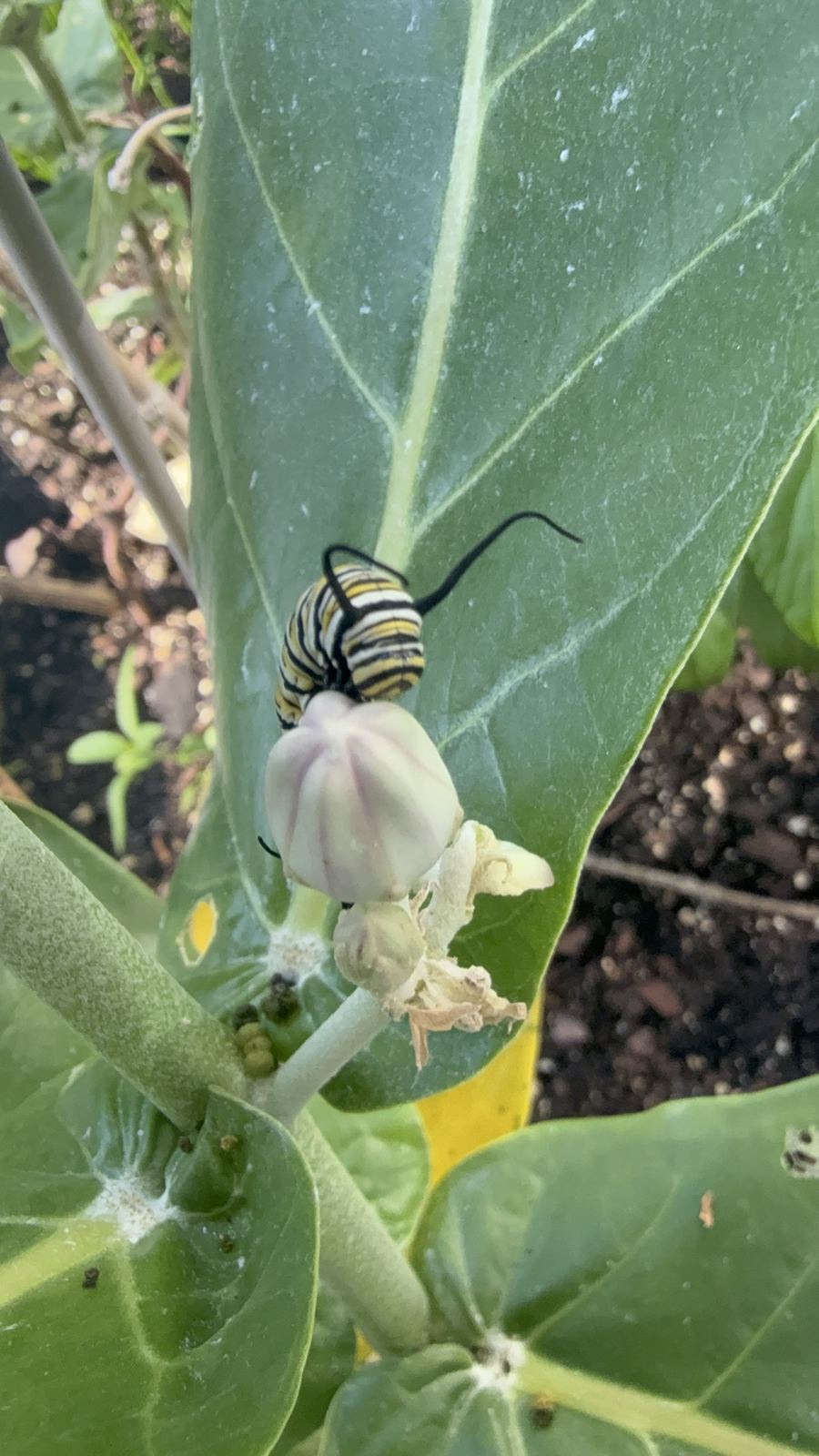
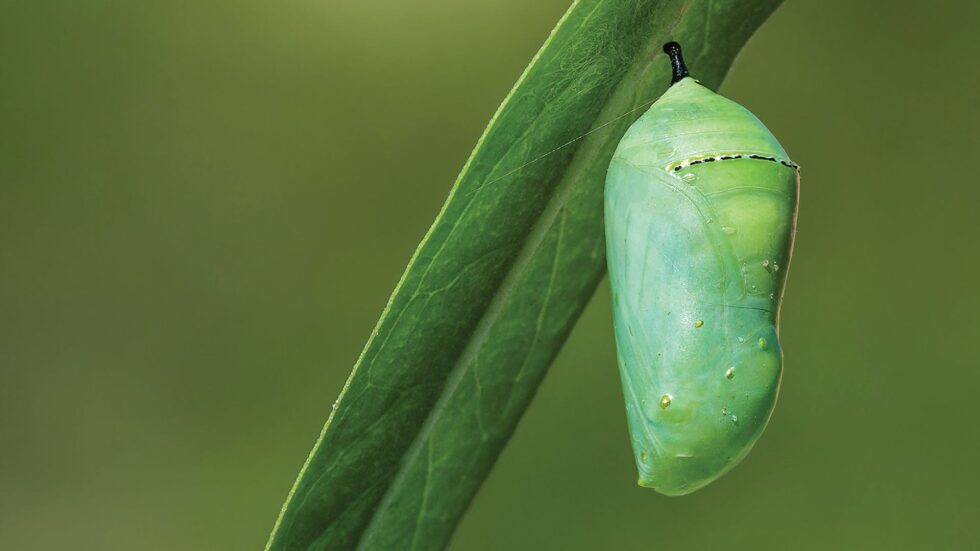
Here is the caterpillar rule that matters most: monarchs evolved alongside the milkweed species that grow wild where they live, so the milkweed that helps them most is the one native to your region. In this garden that’s swamp milkweed — this caterpillar is eating its flower. A patch of native milkweed plants — your local species — is the single most important thing you can plant for monarchs: it’s the food their babies are built for, in the place they’re built to find it. So — what do I need to attract monarch butterflies? Exactly this: native milkweed for the caterpillars, nectar flowers for the adults, and a garden without sprays. Learning how to attract monarch butterflies really is that simple.
Turn the garden into a habitat
Put it all together in one yard and you’ve built more than a flower bed — you’ve made a backyard wildlife habitat, where pollinator-friendly plants feed bees, hummingbirds and butterflies side by side. Short on beds? Try wildflower meadow planting in one sunny corner: a loose drift of native wildflowers asks for almost no upkeep and feeds something in every season. And once your garden pairs native milkweed plants with nectar flowers, it can earn monarch waystation certification — register it as a Monarch Waystation through Monarch Watch, and your yard joins the map of fuel stops migrating monarchs depend on.
One honest note on butterfly bush: adults love its nectar, but no caterpillar can eat its leaves, and it self-seeds aggressively in some areas. If you’re after a butterfly bush alternative, native nectar-rich flowers like mistflower and porterweed do the same job for adults — and they belong in the habitat, feeding the whole neighborhood of pollinators too.
Garden picks
Gear that earns its place in the garden
The habitat, kits and seeds behind the videos. Each link is an Amazon affiliate link, so a purchase supports Butterfly Babe at no extra cost to you.
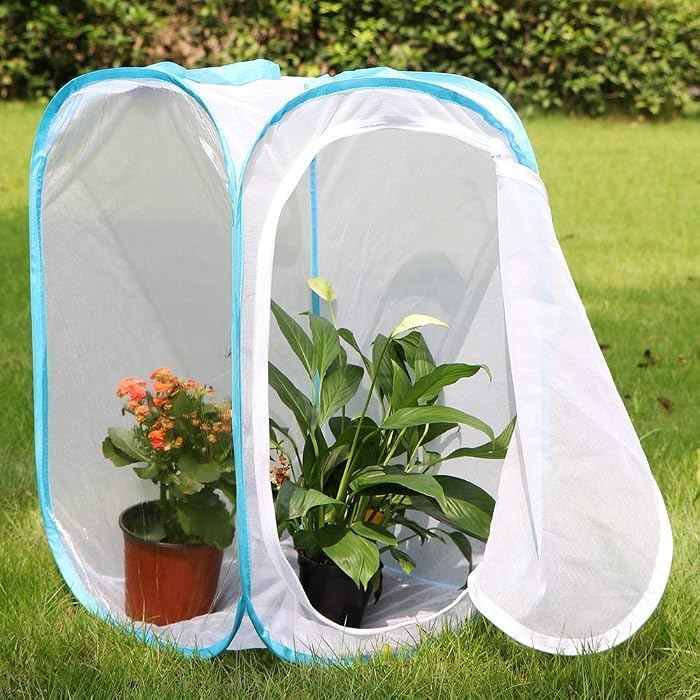
The habitat
RESTCLOUD Butterfly Habitat
The pop-up mesh enclosure monarchs are raised in here. Fine mesh keeps tiny wasps out and caterpillars in, a clear vinyl window makes filming easy, and it folds flat between seasons.
Shop the habitat on Amazon
Best first kit
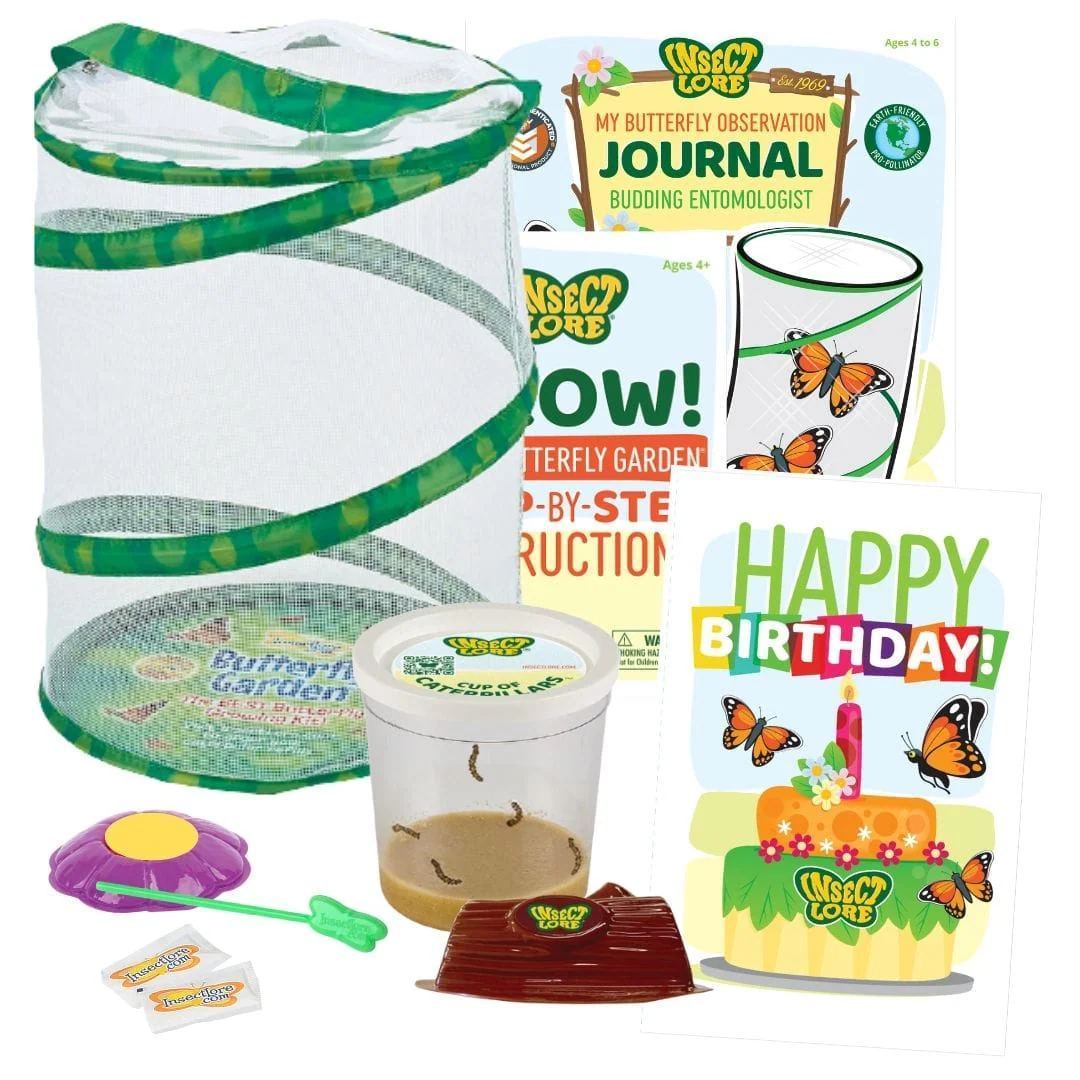
Insect Lore Butterfly Garden
The classic starter kit: a reusable habitat and a cup of live caterpillars that arrive ready to eat, grow, and transform. The easiest first butterfly experience for kids — and honestly, for adults too.
Shop the kit on Amazon
For young scientists
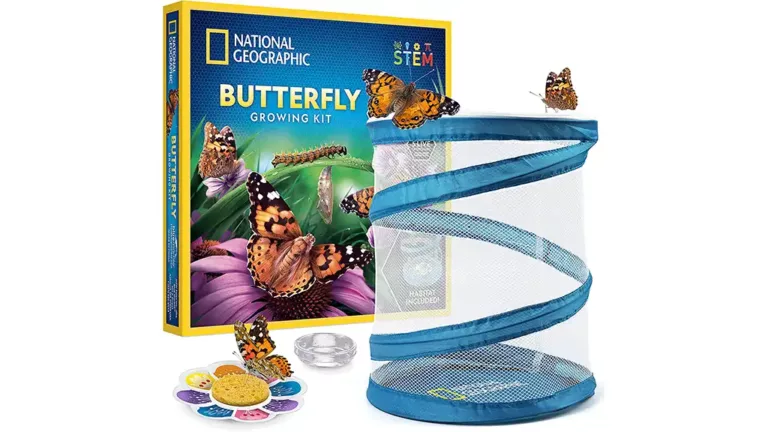
National Geographic Butterfly Kit
A habitat, learning guide and caterpillar voucher with a STEM-activity feel — great for classrooms and grandkids. Redeem the voucher when your garden (and your schedule) is ready for caterpillars.
Shop the Nat Geo kit
Plant this
Gardeners Basics Milkweed Seed 4-Pack
Milkweed is the only plant monarch caterpillars can eat — no milkweed, no monarchs. This 4-variety pack (Common, Showy, Butterfly & Rose) covers every corner of the garden. Sow in fall, thank yourself in spring.
Shop the seeds on Amazon
5-minute magnet
Insect Lore Deluxe Butterfly Feeder (2-Pack)
No blooms yet? No problem. Fill this feeder with sugar water and the butterflies will find you. Hang it near your milkweed and wait — the quickest win for a brand-new butterfly garden.
Shop the feeder on Amazon
Plant this
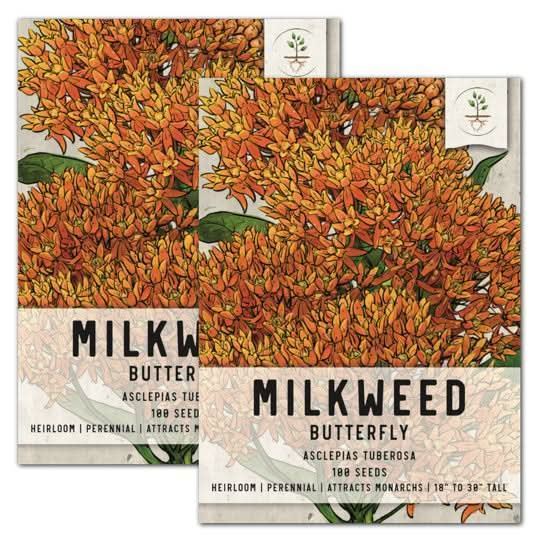
Butterfly Milkweed Seeds
Asclepias tuberosa — the orange-flowered milkweed that feeds monarch caterpillars and adults at the same time. Sow in fall for a natural cold treatment, or chill seeds in the fridge for a month before spring planting.
Find it on the Pinterest board
Garden extra
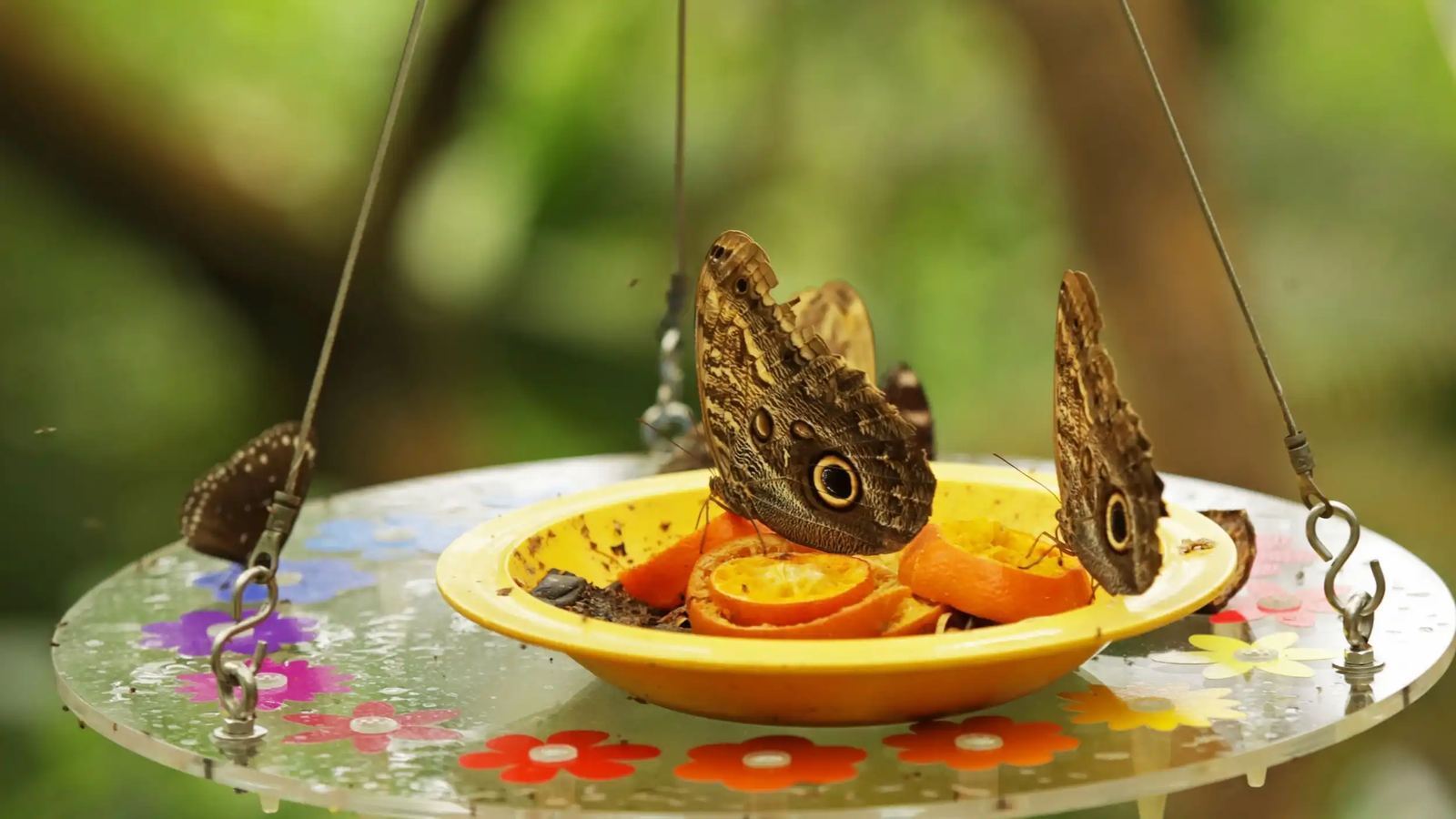
Butterfly Feeder
A hanging feeder with overripe fruit — oranges, bananas, even a splash of fruit juice — draws in the butterflies that rarely visit flowers, like red admirals and question marks. Set it near a window and keep the camera ready.
Find it on the Pinterest board
Pin it for later
The whole list, on Pinterest
All the garden picks — seeds, feeders, habitats and more — live on Pinterest with their tagged links, so the list stays current even as products change.
Browse the Pinterest board
Affiliate disclosure: As an Amazon Associate, butterfly babe earns from qualifying purchases. When you buy through links on this page, a small commission comes back from Amazon — it never changes the price you pay, and it helps keep the caterpillars fed.